




When Is the Best Time to Take a Helicopter Tour in Kauai?
- 11:46 PM
When is the best time to take a helicopter tour in Kauai? It’s a question we hear almost every day, and for good reason. Kauai is known as the Garden Island, and much of its beauty can only be seen from the air. But the island’s weather can change quickly, and light conditions make a huge difference in what you’ll see.
At Ali‘i Kaui Air Tours and Charters, we’ve been guiding guests through the skies of Kauai for years. We know that timing is everything. Choosing the right time of year, the right season, and even the right hour of the day can take your experience from good to unforgettable.
Let’s break it down so you can plan your flight with confidence.
Why Timing Matters for Helicopter Tours
The short answer to “when is the best time to take a helicopter tour in Kauai” is: it depends on what you value most. Do you want calm skies? Bright morning clarity? Dramatic golden light? Or simply the best chance at good weather during your trip?
Because Kauai is the wettest island in Hawaii, weather patterns affect visibility more here than on Oahu, Maui, or the Big Island. The island also has microclimates. That means it can be raining at Mount Waialeale while the Nā Pali Coast is bathed in sunlight.
That’s why local knowledge matters. Our pilots study weather each day to find the best windows for safe and scenic flights.
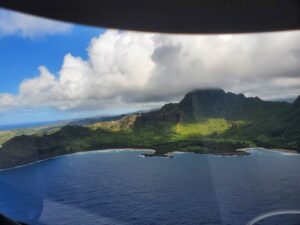
The Best Season for Helicopter Tours in Kauai
When you’re looking at the whole calendar, here’s how the seasons play out:
- Winter (December – February)
- Pros: Lush landscapes, waterfalls at full power.
- Cons: Heavier rains, especially on the north shore. Greater chance of flights being rescheduled.
- Spring (March – May)
- Pros: Clearer skies, fewer crowds, still-green valleys from winter rains.
- Cons: Occasional showers, but manageable.
- Summer (June – August)
- Pros: Dry season, consistent flying conditions, excellent visibility.
- Cons: Higher visitor numbers, so tours book up fast.
- Fall (September – November)
- Pros: Calm weather, less crowded than summer.
- Cons: Some rain returns in late fall.
If you want the safest bet for good flying conditions, summer and early fall are hard to beat. But if you love seeing Kauai at its greenest, winter and spring have their own magic.
What Is the Best Time of Day to Take a Helicopter Tour in Kauai?
This is where most travelers focus their questions. The best time of day to take a helicopter tour in Kauai depends on your priorities:
- Morning Flights
- Clearer skies: Clouds tend to build later in the day.
- Calmer winds: Great if you’re nervous about motion.
- Cooler temperatures: More comfortable overall.
- Best choice for: first-time flyers, anyone prone to motion sickness, or those who want steady conditions.
- Afternoon Flights
- Stunning light: The Nā Pali cliffs glow golden as the sun lowers.
- Photographic drama: Shadows create contrast in the canyons.
- Good for: photographers, adventurers who want epic scenery.
At Ali‘i Air Tours, we usually suggest morning flights if you want the clearest ride. But if your main goal is breathtaking light for photos, the afternoon can be unbeatable.
Morning vs. Afternoon: Which One Should You Choose for Your Helicopter Flight?
When deciding when is the best time to take a helicopter tour in Kauai, here’s how we help our guests weigh it out:
- If you’re only flying once and want the highest odds of smooth weather, choose morning.
- If you’re visiting during the dry season (summer), afternoon flights are often spectacular.
- If you’re worried about rescheduling, book early in your trip. That way, if weather cancels your slot, you still have backup days.
We fly both morning and afternoon tours for exactly this reason: some guests want steady skies, while others want that golden-hour glow.
How Weather Affects Helicopter Tours
Kauai’s weather is famously unpredictable. Even on a sunny morning, the center of the island can be wrapped in mist. Here are the main factors:
- Trade Winds – More common in the afternoon, can make flights bumpier.
- Rain Showers – Short bursts are frequent, but skilled pilots can often fly around them.
- Cloud Cover – Can block views of Mount Waialeale and waterfalls, especially later in the day.
At Ali‘i Air Tours, we don’t just “hope for the best.” We check live radar, satellite images, and wind patterns before every flight. If conditions don’t look right, we’ll advise you honestly – because safety comes first.
Why Booking Your Helicopter Tour Early in Your Trip is Important
One of our top pieces of advice: book your helicopter tour for the first or second day of your stay. Here’s why:
- If weather cancels your flight, you’ll still have time to reschedule.
- You’ll get an aerial overview of Kauai early, which helps you plan the rest of your trip. Guests often tell us their tour gave them ideas for hikes and beaches to visit afterward.
- It relieves stress – you won’t spend your last day hoping for a clear slot.
Think of it as giving yourself a safety net.
Related Terms You’ll Hear While Booking a Helicopter Tour
When searching when is the best time to take a helicopter tour in Kauai, you’ll come across these terms:
- Doors-off tour – No glass between you and the views.
- Eco-Star / A-Star – Helicopter models with wide windows.
- Jurassic Falls landing – A unique tour where you step out at Manawaiopuna Falls.
- Private charter – Book the whole helicopter for your group.
These terms help you compare options clearly when choosing your tour.
Tips for Making the Most of Your Flight
Once you’ve decided when to go, here’s how to make the experience even better:
- Wear dark clothing – This reduces window glare in photos.
- Don’t overpack – Bring only what you need. Loose items aren’t allowed in helicopters.
- Eat light before flying – Avoid heavy meals if you’re prone to motion sickness.
- Bring your camera, but don’t forget your eyes – Snap a few shots, then just take in the views.
FAQs: When Is the Best Time to Take a Helicopter Tour in Kauai?
When is the best season for a helicopter tour?
Summer (June–August) and early fall (September–October) have the most reliable weather. Winter is wetter but makes for incredible waterfalls.
What is the best time of day to take a helicopter tour in Kauai?
Morning flights are calmer and clearer. Afternoon flights have dramatic golden light, especially along the Nā Pali Coast.
How far in advance should I book?
We recommend booking at least a few weeks before your trip. Summer tours sell out quickly.
Are afternoon flights bumpier?
They can be. Trade winds pick up later in the day, but many guests don’t notice. If you’re sensitive to motion, choose morning.
What happens if my flight gets canceled for weather?
At Ali‘i Air Tours, we’ll work with you to reschedule at the earliest safe opportunity. That’s why booking early in your stay is so helpful.
When it Comes to Taking a Helicopter Tour, Timing Is Everything
So, when is the best time to take a helicopter tour in Kauai? The truth is, it depends on what you want most from the experience.
When you’re ready to take that flight, we’d be honored to show you the island from above. Reserve your spot now.
*The Federal Aviation Administration requires that any commercially operated aircraft that operates over water must have a minimum of 2 engines. This is because in the event of an engine failure the aircraft can continue to fly to a suitable landing area.
Reference CFR 135.183 (c)