



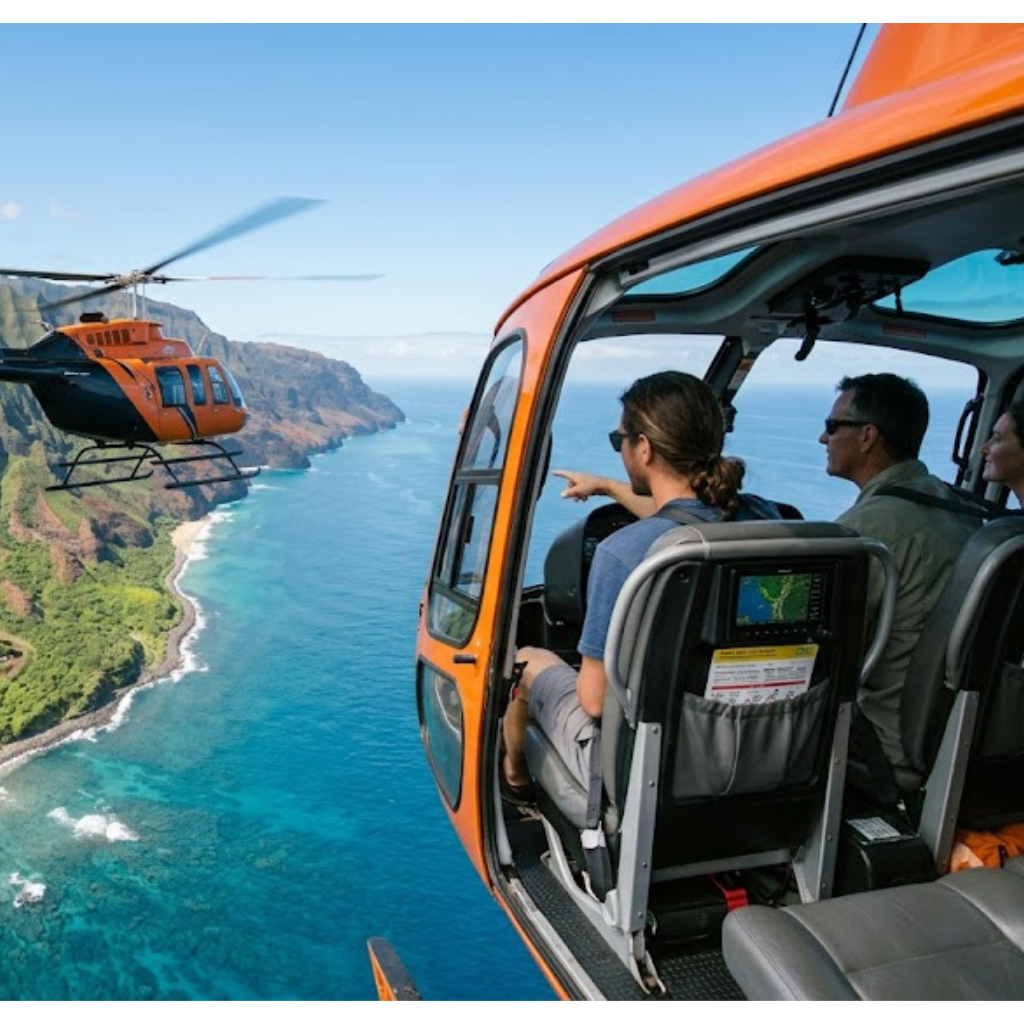
How to Pick a Helicopter Touring Company in Kauai
- 5:51 AM
Most people only do this once. You've flown to Kauai, you've blocked off the time, and you know a helicopter tour is on the list. The question is how to pick a helicopter touring company in Kauai without wasting that one shot on the wrong operator.
There's no shortage of options. Every company will show you the same photos of the Na Pali Coast and tell you their pilots are the best. So what actually separates one from another?
At Aliʻi Kauai Air Tours and Charters, we've been flying this island for over 32 years. We're a Hawaiian family-owned operation, and we've seen what makes or breaks an aerial tour. Here's what we think every traveler should know before they book.
How to Pick a Helicopter Touring Company in Kauai
Start With Safety: What Certifications Actually Mean
Safety is the first filter you should apply, and it's not just about whether a company has a clean safety record. It's about the systems behind that record.
Any commercial helicopter operator in the United States must hold FAA Part 135 certification. This means the company operates under strict oversight for pilot training standards, operational procedures, and aircraft airworthiness. It's not optional. It's the legal baseline.
What goes beyond the baseline is how a company chooses to hold itself to a higher standard than the minimum required.
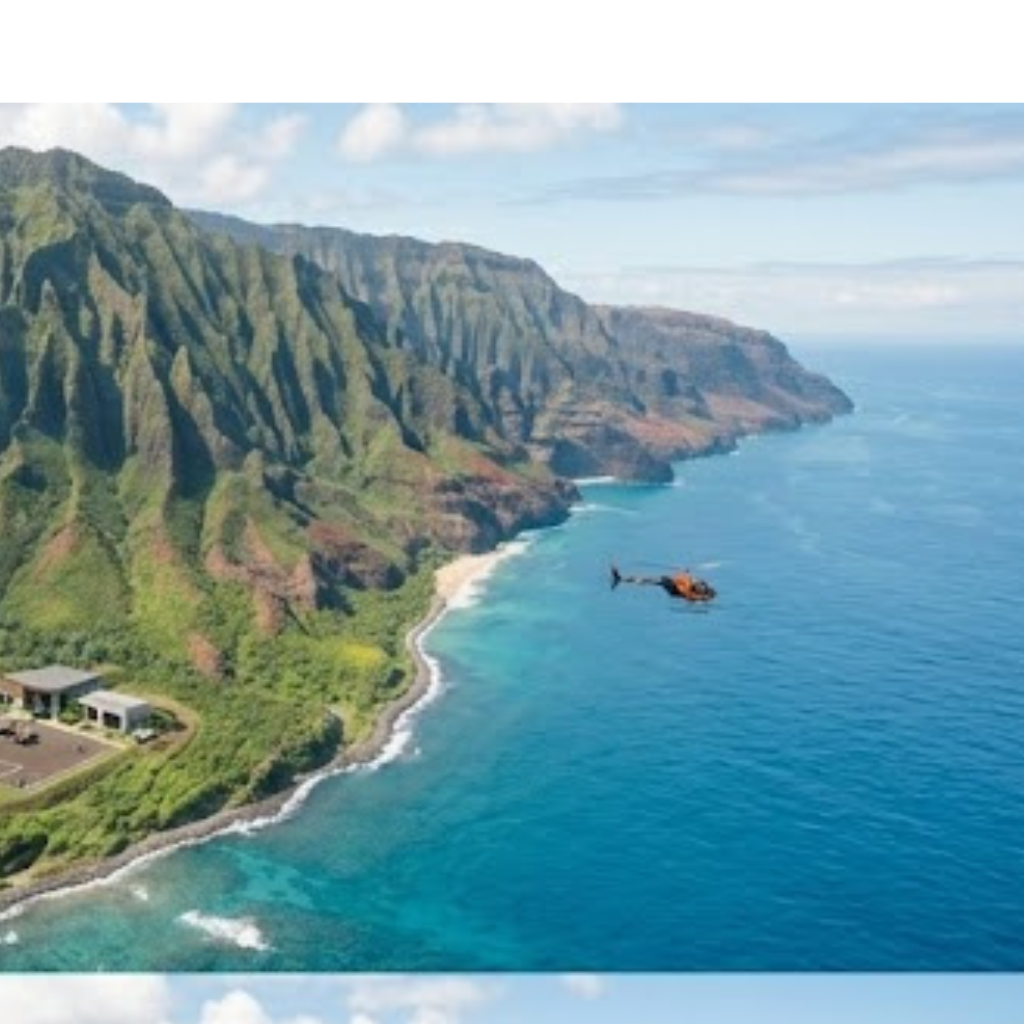
Why Aircraft Maintenance Records Matter More Than You Think
A certificate on the wall tells you a company was approved. Daily maintenance tells you the aircraft is ready today.
Before every Aliʻi flight, our Robinson R44 helicopters go through a thorough pre-flight inspection. That's not a checkbox. It's a trained mechanic reviewing every component, every system, before a single passenger boards.
When you ask a helicopter company about their maintenance routine, listen for specifics. "We maintain our aircraft to FAA standards" is the floor. You want to hear what they actually do each day, and how they make the call when something isn't right.
Our standard is straightforward: if it's not perfect, it doesn't fly.
Pilot Experience Is Not All the Same on Kauai
Total flight hours matter, but they don't tell the whole story. A pilot with thousands of hours over flat terrain is a different pilot from one who has spent years flying Kauai's valleys, coastlines, and high-elevation terrain.
Kauai is technically demanding airspace. The island has its own microclimates, localized wind patterns that shift fast, and terrain features that require specific knowledge to fly safely and well. The Na Pali Coast alone demands different handling at different times of day and in different weather conditions.
Our pilots know this island. They know where the wind picks up near the sea cliffs, how to position the aircraft so everyone in your group gets the view, and when to adjust the route based on real-time weather.
That kind of judgment comes from years on Kauai, not just years in the air.
They also narrate. Not from a script, but from genuine knowledge of the island's Hawaiian history, its geography, and the cultural significance of what you're flying over. That turns a flight into something worth remembering.
Private Tours vs. Shared Tours: Why the Difference Matters
This is one of the most important questions you can ask when you figure out how to pick a helicopter touring company in Kauai, and most travelers don't think to ask it until after they've booked.
A shared tour puts strangers together in the same helicopter. The route is fixed. The pace is set by the schedule. The pilot positions the aircraft for the group average, not for you.
A private helicopter tour gives your group the aircraft. Every seat goes to someone in your party. The pilot has the flexibility to hover longer, circle back, and adjust the flight for what your group actually wants to see. If someone in your group is a photographer who needs an extra pass over the Waimea Canyon ridgeline, that's a conversation you can have.
Every Aliʻi tour is private. We don't add passengers to your flight. Minimum party size is two, and no one outside your group will ever share your helicopter.
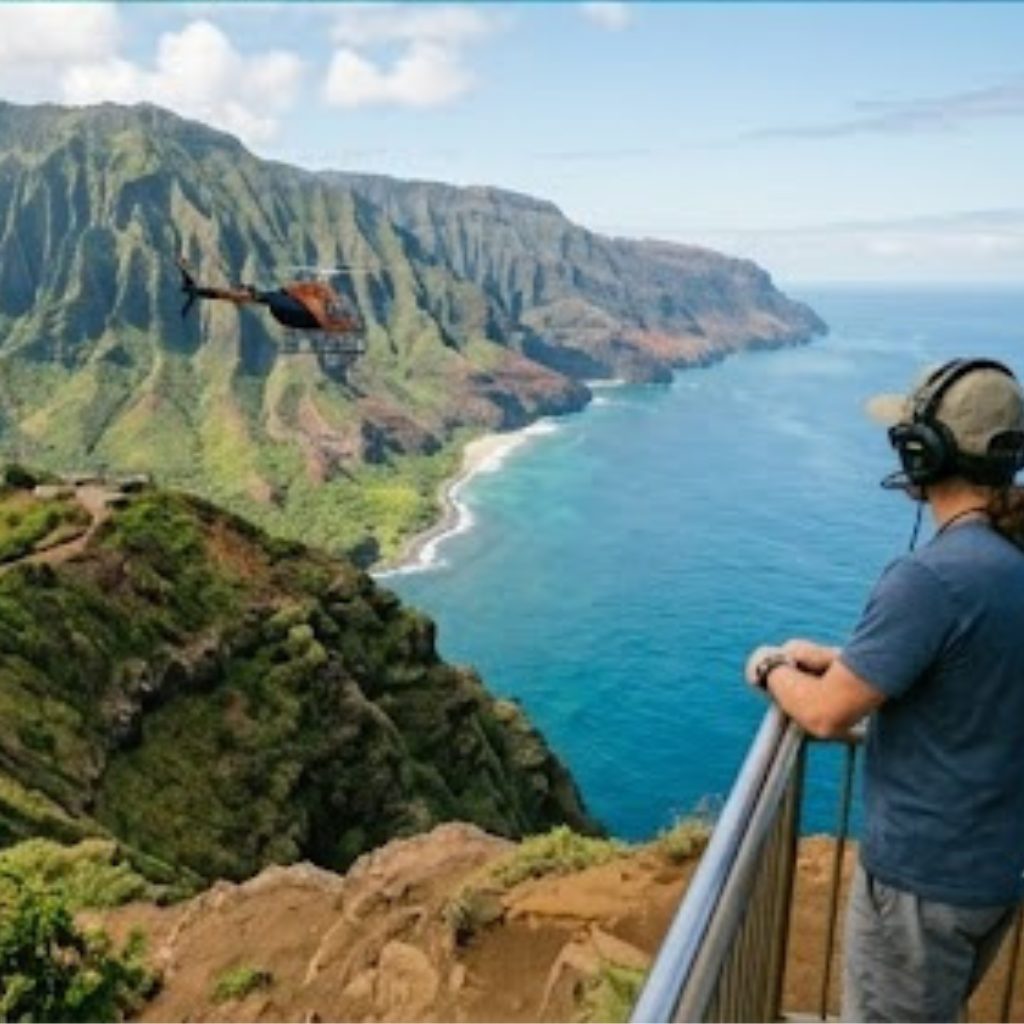
How Group Size Affects Your View and Your Experience
The Robinson R44 seats three passengers plus the pilot. That configuration means no middle seat. Everyone has a window. No one spends the flight leaning around another person to see a waterfall.
Larger helicopters can carry more passengers, but more passengers means more compromises.
Someone ends up in the middle. The pilot can't reposition for everyone at once. The experience gets averaged out.
When you evaluate any Kauai aerial tour, ask directly: how many passengers will be on my flight, and does everyone get a window seat? The answer tells you a lot about how the company prioritizes the guest experience versus capacity.
What a Good Helicopter Tour Route Should Cover
Not all routes are equal, and a shorter or cheaper flight might cut corners you won't know about until you're in the air.
A full Kauai doors-off helicopter tour route should include the Na Pali Coast with its 3,500-foot sea cliffs, Waimea Canyon (the Grand Canyon of the Pacific), Manawaiopuna Falls in the Hanapepe Valley, the interior valleys of Nualolo and Kalalau, and the Hanalei Valley on the North Shore. If a company's published route skips the canyon or clips the coastline without flying into the valleys, you're not getting the full island.
Our one-hour private flights cover all of this. The 60-minute duration isn't arbitrary. It's what it takes to show you Kauai properly, not just the coastline visible from a boat.
Ask any company you consider: what does your standard route cover, and what gets cut if weather forces a change? A good operator will answer that clearly.
Why Aliʻi Kauai Air Tours and Charters Meets Every Standard
When you work through the criteria for how to pick a helicopter touring company in Kauai, Aliʻi holds up at every point.
Safety: over 32 years of flight history, daily pre-flight inspections on every Robinson R44, and FedLinks Department of Defense verification.
Pilot experience: island-trained pilots who know Kauai's terrain, weather patterns, and cultural history, and who guide the flight rather than just fly it.
Private tours: every flight goes out exclusively with your group, two passengers minimum, no strangers added, no middle seats.
Route coverage: a full one-hour flight that takes in the Na Pali Coast, Waimea Canyon, Manawaiopuna Falls, the interior valleys, and Hanalei, with doors on or doors off depending on what your group wants.
Hawaiian ownership: we're a local, family-run company. Aliʻi means royalty in Hawaiian, and that name reflects the respect we bring to this island and to every guest who flies with us.
If you're ready to book, or if you have questions about what your group needs, contact us directly. We'll help you figure out which flight fits you best before you commit to anything.
*The Federal Aviation Administration requires that any commercially operated aircraft that operates over water must have a minimum of 2 engines. This is because in the event of an engine failure the aircraft can continue to fly to a suitable landing area.
Reference CFR 135.183 (c)