



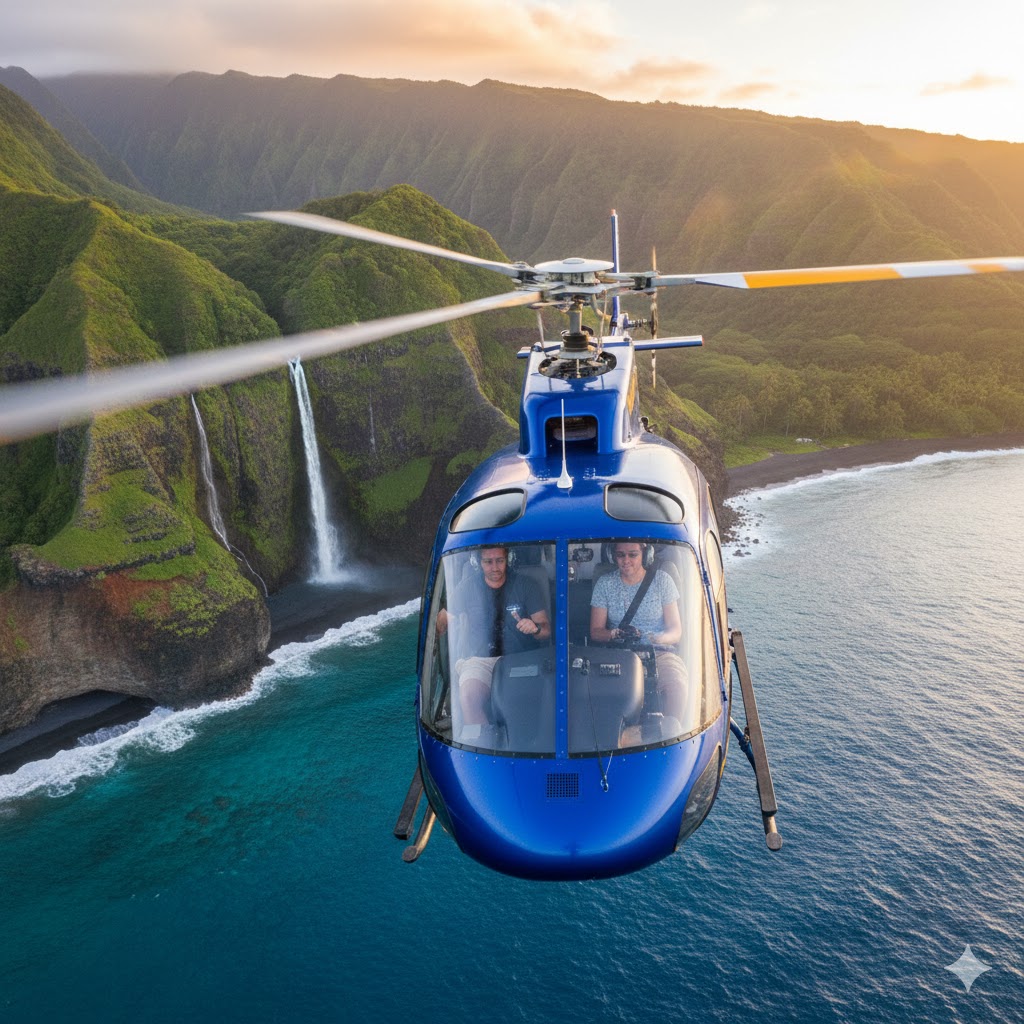
What Are The Top Rated Kauai Helicopter Tours?
- 8:32 PM
The top rated Kauai helicopter tours are the flights that show you the island’s cliffs, deep valleys, and remote waterfalls in the safest and most awe-filled way possible. At Alii Air Tours and Charters, we define top rated Kauai helicopter tours as flights that balance comfort, views, storytelling, and safety with the kind of hospitality that makes you feel like an honored guest, not a seat number.
We fly Kauai every day. We know what travelers ask. We know what matters once you lift off. Below, we explain what makes a helicopter tour “top rated,” how our flights compare, and what you should look for before booking.
What makes us a top rated Kauai helicopter tour?
A top rated tour gives you a clear, smooth, and safe way to see the parts of Kauai no car reaches.
Most people judge tours by:
- Safety record
- Pilot skill
- Window clarity
- Seat comfort
- Views of Nā Pali Coast and Waimea Canyon
- Ability to fly into the crater of Mount Waiʻaleʻale
- Clean aircraft
- Friendly crew
- Smooth process from check-in to landing
At Alii Air, we design each flight around these exact points. You should not have to guess what makes a tour exceptional. You should know from the moment you meet our team.
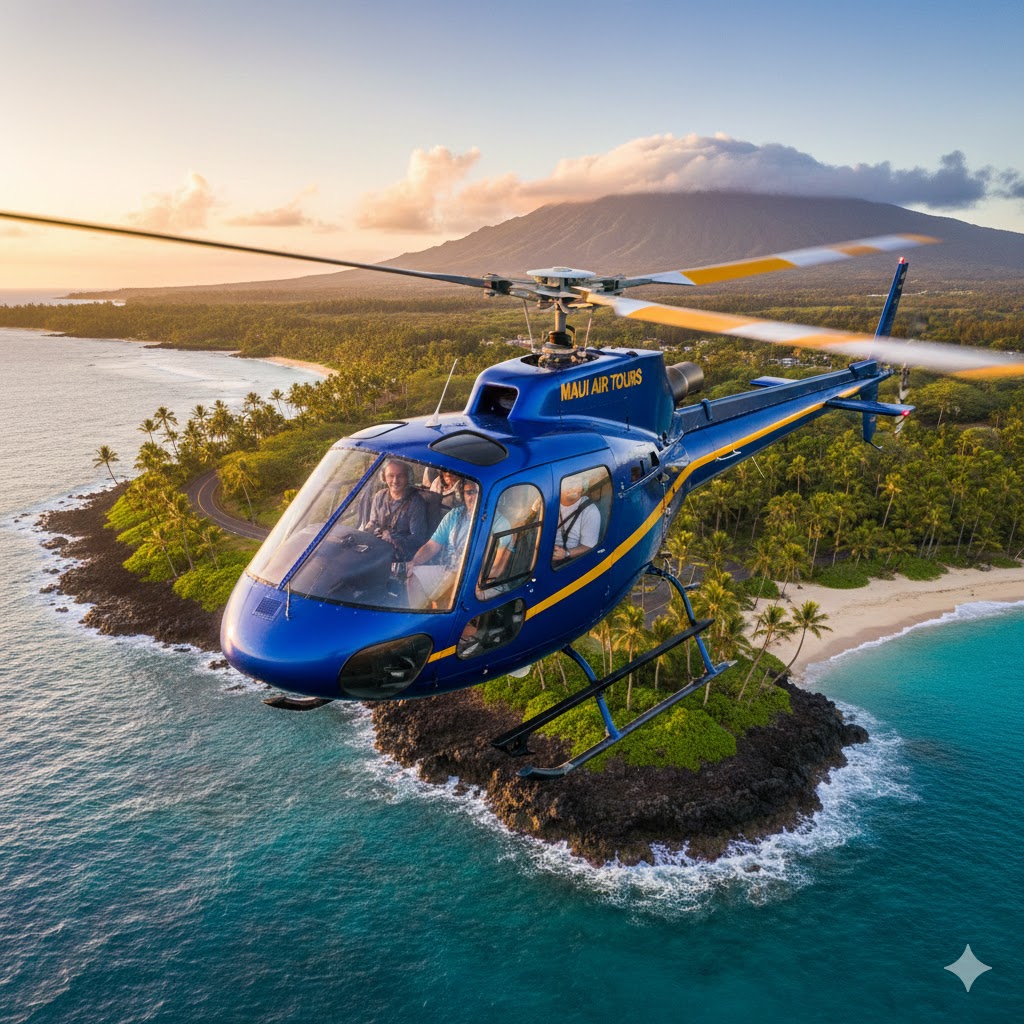
Why do helicopter tours matter so much on Kauai?
Kauai hides most of itself. Over 70% of the island iss unreachable by car or trail. Helicopters offer the only way to see:
- Nā Pali’s razor-thin ridges
- Sea cliffs taller than skyscrapers
- Falls that drop for hundreds of feet
- The immense bowl of Waiʻaleʻale, one of Earth’s wettest places
- The maze-like valleys of the north shore
- The red walls of Waimea Canyon
From the ground, you see pieces. From the air, you see the whole story. That is why visitors look for top rated Kauai helicopter tours instead of “just any flight.” They want a tour that respects the land and tells the island’s story with accuracy and care.
What should travelers ask before booking?
We hear the same questions every day. Here is what matters most:
What kind of helicopter?
Larger window space offers better views. We use aircraft with wide viewing areas on both sides.
How long is the flight?
The best tours run 50–60 minutes. Shorter flights skip major sights.
Does every passenger get a great view?
Yes. Our seating arrangement places every guest at a window. No middle seats. Ever.
What about safety?
A “top rated” tour always puts safety above scenery. Our maintenance team checks each aircraft before every flight. Our pilots train constantly. Many come from military or commercial backgrounds with thousands of hours in Hawaiʻi’s microclimates.
How do we keep safety the priority?
Top rated tours earn their rating with consistency.
At Alii Air, safety includes:
- Daily full inspections
- Detailed pre-flight checks
- Constant weather monitoring
- Strict weight and balance calculations
- Experienced pilots with deep Kauai expertise
- Maintenance logs for every aircraft
We treat every flight like a first flight. No shortcuts. No exceptions.
How does the weather affect helicopter tours?
Kauai weather shifts by the minute. That is why experience matters. We adjust launch times to avoid heavy clouds or rain. Mornings offer calmer winds. Afternoons sometimes open the crater. Midday light sharpens the red cliffs of Waimea.
Here is what we tell guests:
- Kauai rains often. Do not worry.
- Clouds move fast. Patience helps.
- Clear views do not depend on blue skies.
- Some of the best flights happen right after rain.
A good pilot knows when to pivot. We rely on years of flying Kauai’s valleys, not generic forecasts.
What makes Alii Air different from other helicopter companies?
Every company promises views. We focus on the experience.
- Local expertise
We are grounded in Kauai. We honor its stories. We fly with respect for the land.
- Smaller groups
We keep our flights intimate. No large crowds. No rushed boarding.
- No middle seats
Everyone gets a window. Always.
- Clear storytelling
We explain what you see, why it matters, and how it shapes Kauai’s past and present.
- Calm, comfortable aircraft
We keep clean, well-maintained interiors. Your view stays crisp.
These details matter. This is why guests rank us among the top rated Kauai helicopter tours year after year.
How long should visitors plan for a helicopter tour?
Set aside 2 hours total.
- Check-in
- Safety briefing
- Photo time
- 50–60 minute flight
- Return and gear drop-off
The flight itself lasts about an hour. The full experience takes a little more.
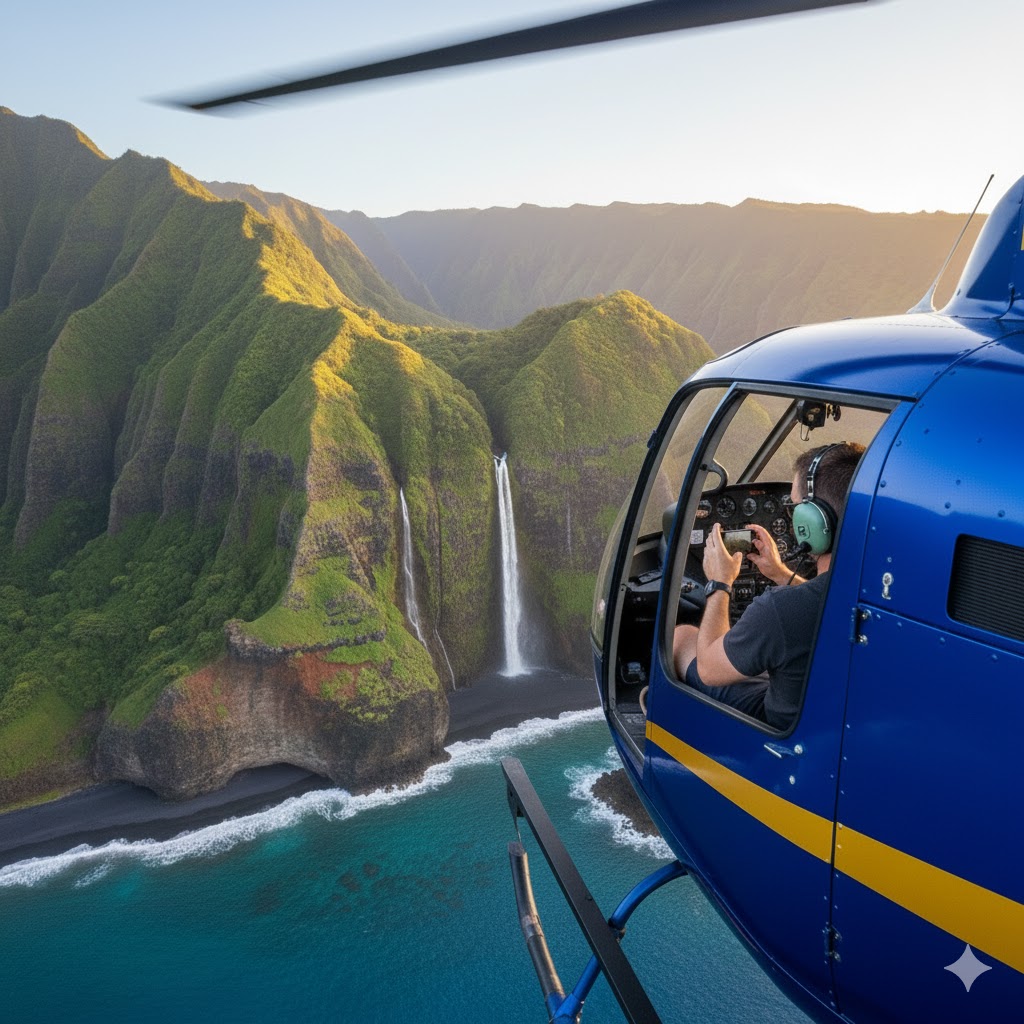
When is the best time to fly?
There is no bad time. But each time of day offers a different strength.
Morning
- Smoother winds
- Gentle lighting
- Best chance for a calm flight
Midday
- Strongest light on Waimea Canyon
- Bright, clear water along Nā Pali
Afternoon
- Dramatic shadows on cliffs
- Some of the best crater openings happen late
If you want the highest chance of calm skies, choose morning. If you want colorful cliffs, choose later.
What should guests bring?
Keep it light. A top rated tour keeps you comfortable with just a few essentials.
Bring:
- Sunglasses
- Light jacket
- Closed shoes
- Fully charged phone
- Secure strap if you bring a small camera
Skip hats and loose items. Kauai winds win every time.
What should first-time helicopter guests expect?
Most first-time fliers feel a lift, not a drop. Helicopters rise smoothly. You hover, then move forward. The motion feels calm and controlled.
Expect:
- Large windows
- Clear communication
- Views from both sides
- Gentle turns
- Soft landing
Our team stays with you from check-in until you step back onto the ramp. You never stand unsure of where to go or what to do.
If you want a Kauai helicopter flight with doors offthat shows the island’s most hidden beauty with a calm, thoughtful approach, Alii Air Tours and Charters offers exactly that. We design every tour to honor this island’s cliffs, canyons, and rain-filled valleys. We aim to stay the standard for top rated Kauai helicopter tours by giving you a clear, safe, and unforgettable view of the Garden Isle.
*The Federal Aviation Administration requires that any commercially operated aircraft that operates over water must have a minimum of 2 engines. This is because in the event of an engine failure the aircraft can continue to fly to a suitable landing area.
Reference CFR 135.183 (c)