



How Does a Partenavia P68 Interisland Charter Work for Private Island Hopping in Hawaii?
- 8:39 PM
How does a Partenavia P68 interisland charter work for private island hopping in Hawaii?
A Partenavia P68 interisland charter is a private flight service that lets you hop between Hawaii’s islands on your own schedule, with your own route, and with a level of flexibility commercial flights cannot match.
At Alii Air Tours and Charters, we use the Partenavia P68 because it suits Hawaii’s short hops, island microclimates, and quick turnaround needs. It offers comfort, speed, and stunning views without the stress of crowded airports.
How does a Partenavia P68 interisland charter work for private island hopping in Hawaii: Everything You Should Know
What is the Partenavia P68?
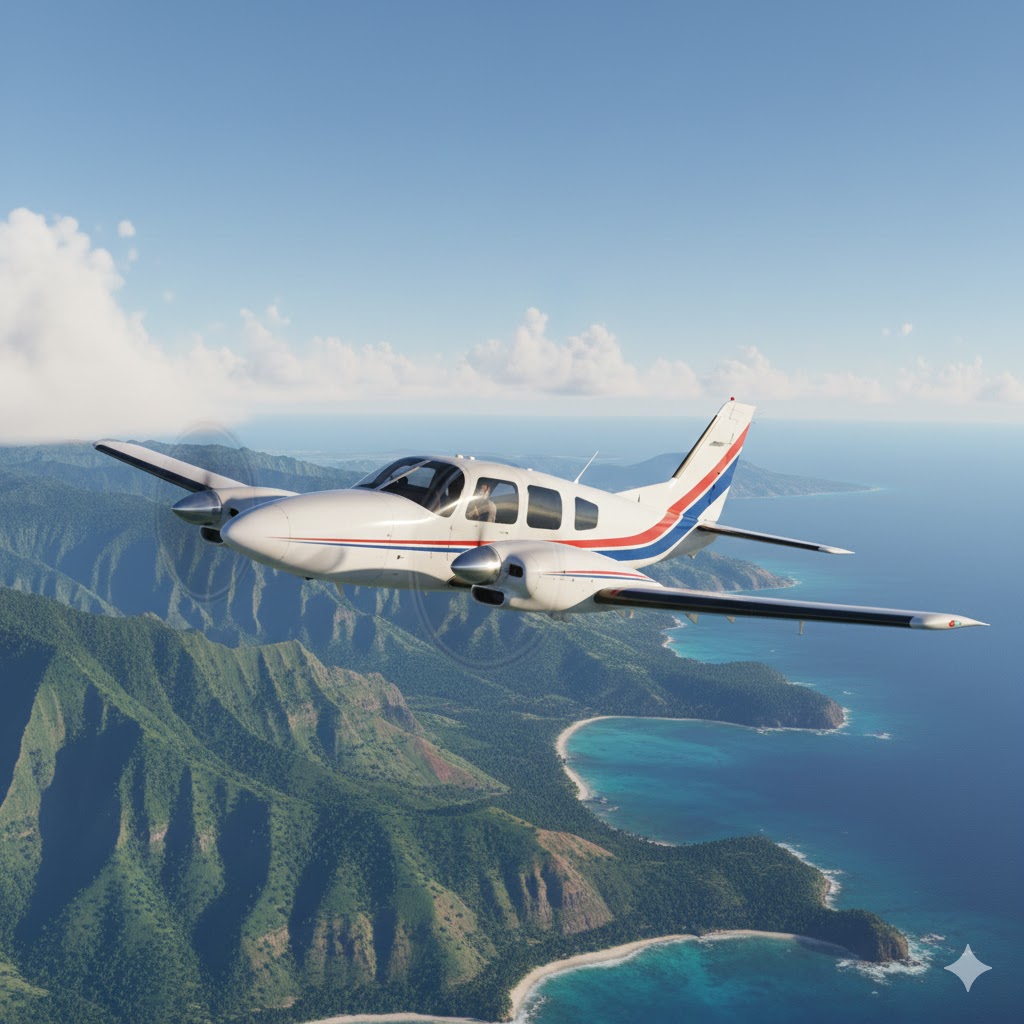
The Partenavia P68 is a twin-engine, high-wing aircraft built for sightseeing, island transport, and short-range travel. It seats up to five passengers plus the pilot. Its design creates wide windows, stable flight, and excellent visibility. For Hawaii’s island hopping, it checks every box.
You get:
- A calm ride
- Fast takeoffs
- Smooth landings
- Clear views
- Short runway capability
- Efficient fuel use
The P68 also handles Hawaii’s frequent micro-weather better than many small aircraft. High wings provide lift and stability, and twin engines give extra safety over water. These features matter when you hop between islands with varying terrain and shifting winds.
How does an interisland charter differ from commercial flights?
A charter removes almost every layer of stress that comes with commercial flying.
With a charter, you get:
- Your own schedule
- Your own aircraft
- No TSA lines
- No baggage restrictions beyond safety limits
- No waiting at gates
- No delays caused by unrelated flights
- Direct routes not offered by airlines
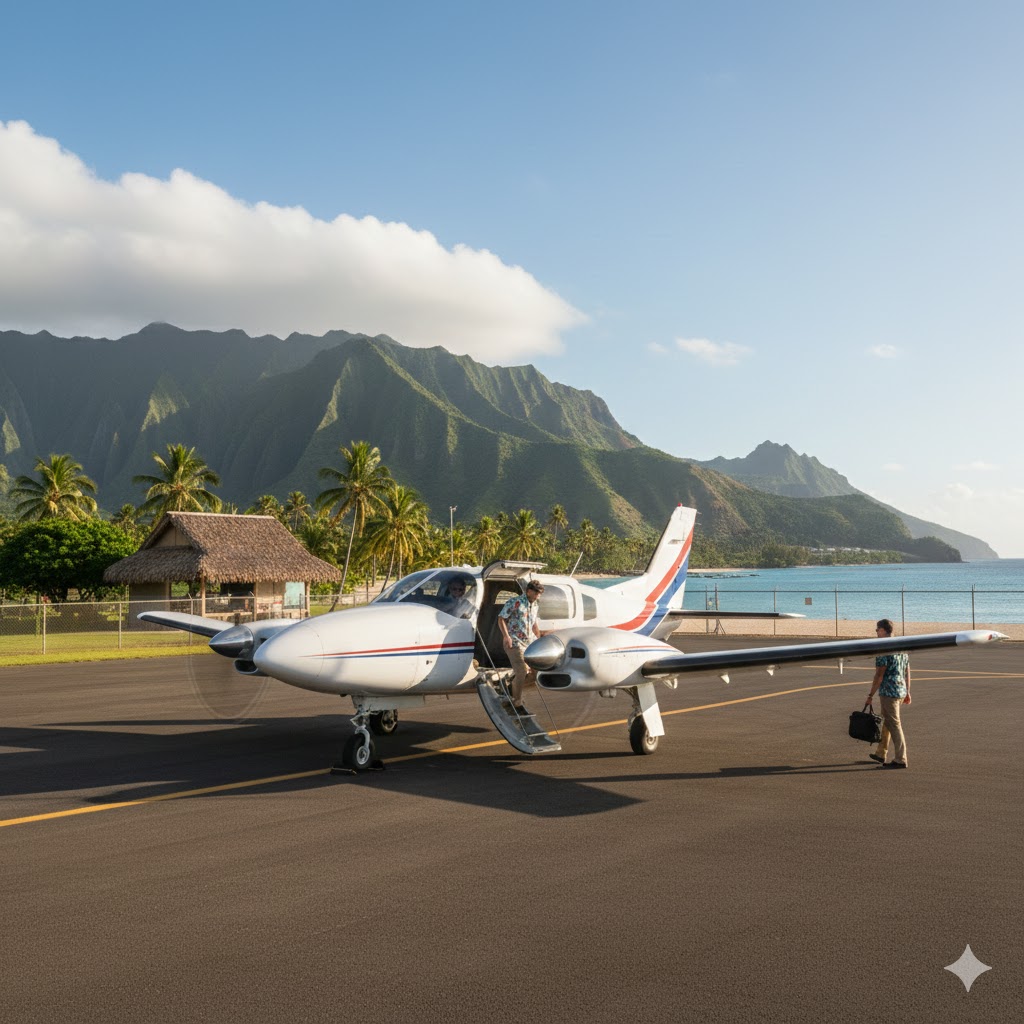
You show up at a private terminal. You meet the pilot. You step onto the P68. Then you take off. The whole process feels simple and calm.
Commercial flights follow fixed times and fixed airports. Charters follow you.
What is the process for booking a Partenavia P68 charter?
Booking stays simple. Most guests finish in one call or email.
The steps:
- Choose your islands
Kauai → Oahu → Molokai → Lanai → Maui → Big Island. Any order works. - Pick your travel day and time
Early morning. Midday. Sunset. You decide. - Share passenger details
Names, approximate weights, and any special needs. This helps us plan seating and balance. - Set your luggage needs
The P68 fits soft bags best. Hard cases work if they fit the space. - Receive your confirmation
You get flight time, location, and check-in instructions. - Arrive at the private terminal
Show up about 20–30 minutes before departure. - Fly directly to your next island
No stops. No crowds. No waiting.
The entire booking process usually takes less time than searching for a commercial flight.
How long is each interisland flight?
Times vary by route. Hawaii’s islands sit closer together than most people think.
Approximate flight times:
- Oahu to Maui: 35–40 minutes
- Oahu to Kauai: 35–45 minutes
- Oahu to Lanai: 45–50 minutes
- Oahu to Big Island: 55–65 minutes
- Maui to Big Island: 25–35 minutes
- Maui to Lanai: 15–20 minutes
- Maui to Molokai: 20–25 minutes
- Kauai to Maui: 60–70 minutes
The P68 stays efficient across all these legs. You spend more time enjoying the view than sitting in a long airport line.
What is the check-in process for a private charter?
Check-in feels easy because everything happens at a private hangar or small terminal.
Expect:
- A friendly greeting
- A quick safety briefing
- A simple luggage hand-off
- Clear instructions
- Direct boarding
No TSA. No metal detectors. No conveyor belts. The process takes about 10 minutes.
We verify weights for safety, then seat guests for balance. After that, we close the door and lift off.
What does the flight feel like?
The Partenavia P68 offers a smooth ride with big windows on both sides. You see the ocean, reefs, cliffs, and neighboring islands during the entire flight.
What you notice:
- Stable turns
- Even altitude
- Good visibility
- Gentle climbs
- Soft descents
Most guests say the P68 feels calmer than commercial island-hopper planes because it sits lower, moves smoother, and reacts to wind with less sway.
The view stays wide and open. The P68 was built for this.
What does a typical island hopping day look like?
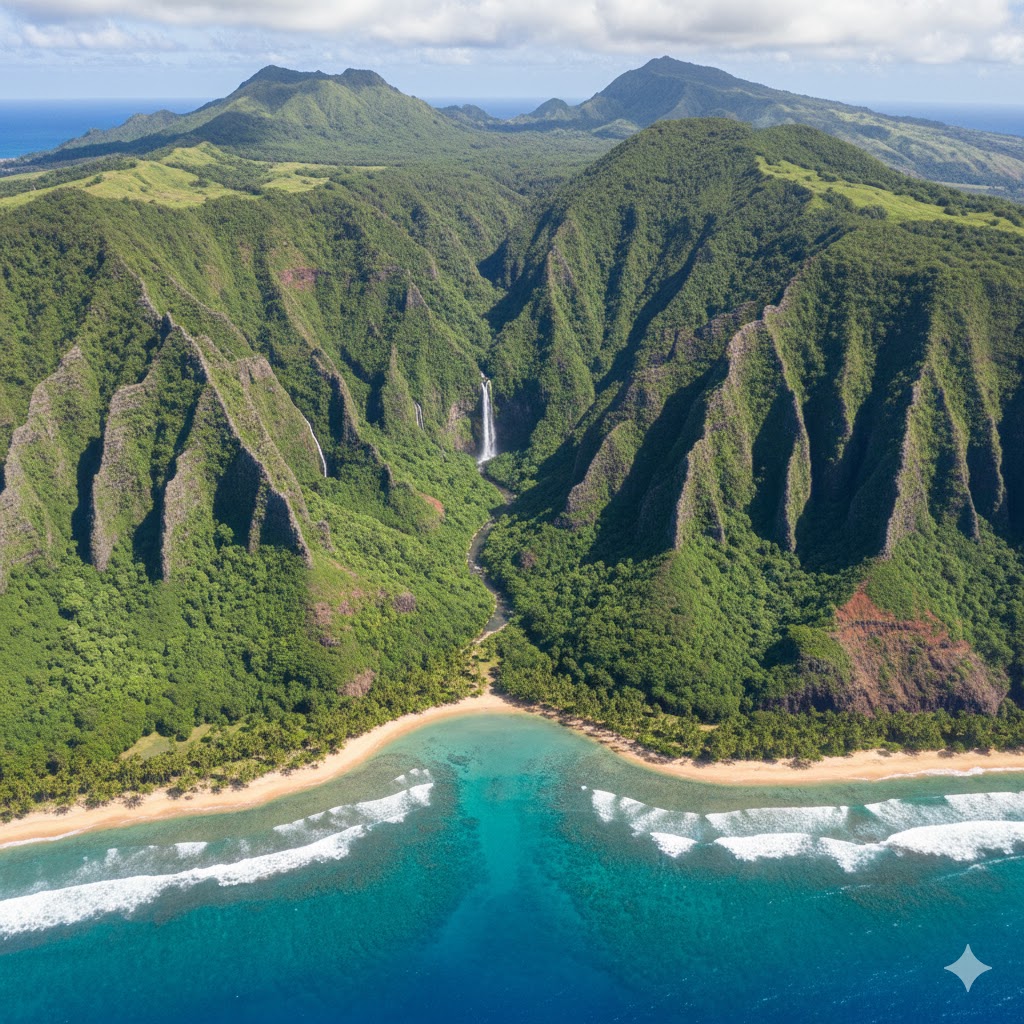
Many travelers use a private charter to tour multiple islands in a single day. This is something commercial flights cannot deliver.
A sample itinerary:
- 9:00 AM – Depart Oahu for Maui
- 9:45 AM – Land in Maui, explore, shop, or eat
- 2:00 PM – Fly to Lanai for an afternoon beach visit
- 4:30 PM – Fly back to Oahu before dinner
Others use charters to reach resorts or remote airports that airlines skip.
Popular uses:
- Wedding groups
- Family trips
- Golf trips
- Business meetings
- Resort transfers
- Photography flights
- Volcano viewing from air + landing on another island
The flexibility makes the day yours.
How safe is the Partenavia P68 for over-water flights?
The P68 is a twin-engine aircraft. This matters in Hawaii.
Twin engines offer:
- Higher safety margins
- Better stability
- Strong performance during island transitions
- Extra security during unexpected weather changes
We also follow strict maintenance schedules and detailed pre-flight checks. Our pilots fly these routes daily. They know the winds, the terrain, and the microclimates.
Safety remains the first priority, not scenery.
Do passengers get good views during the flight?
Yes. The P68 is one of the best sightseeing aircraft ever built. Its high wings sit above the windows, not beside them, which means:
- No wing blocking your view
- Clear ocean visibility
- Wide-angle coastline views
- Perfect photo conditions
Both sides of the aircraft get excellent scenery. Many guests switch seats during multi-stop days, so everyone enjoys different angles.
What are the main advantages of choosing the P68 for island hopping?
The aircraft fits Hawaii perfectly.
Advantages:
- Efficient fuel use
- Great stability
- Smooth low-altitude flight
- Excellent visibility
- Short runway ability
- Twin-engine safety
- Five-passenger seating
- Strong performance in Hawaii’s wind patterns
This is why Alii Air uses it for private charters instead of larger or smaller planes. It hits the sweet spot between comfort and agility.
Who should consider using a private interisland charter?
Charters fit travelers who value time, privacy, and flexibility.
Great for:
- Families
- Luxury travelers
- Small groups
- Business travelers
- Photographers
- Golfers
- Wedding parties
- Travelers heading to resorts with limited commercial access
If you want to maximize your trip without losing hours in airports, a charter works.
About Partenavia P68 Interisland Charters
A Partenavia P68 interisland charter for private island hopping gives you a flexible way to hop between Hawaii’s islands. At Alii Air Tours and Charters, we use this aircraft because it matches the needs of travelers who want comfort, speed, and calm flying without the hassles of commercial airports. If you want a smooth, scenic way to explore Hawaii at your own pace, a private air charter offers one of the best interisland experiences available.
*The Federal Aviation Administration requires that any commercially operated aircraft that operates over water must have a minimum of 2 engines. This is because in the event of an engine failure the aircraft can continue to fly to a suitable landing area.
Reference CFR 135.183 (c)